
PRODUCT FAMILY
Storage Tanks
Carbon steel, stainless steel, galvanized and bolted sectional storage tanks. Send fluid and layout requirements for a quotation.
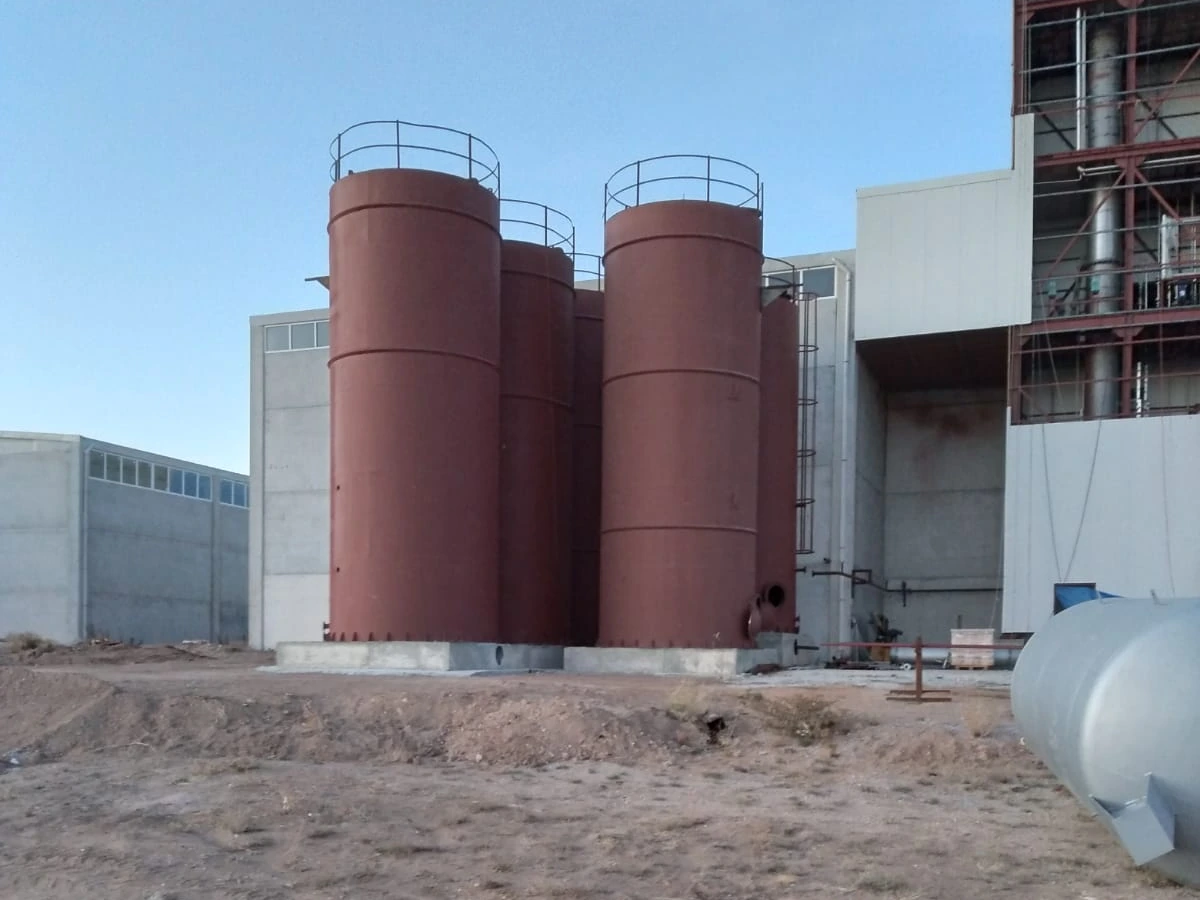
Information to include in your RFQ
To compare carbon-steel, stainless-steel, galvanized and bolted sectional tanks, start with the stored medium and site conditions. Share a layout drawing if available.
- Product or fluid to be stored
- Required storage volume
- Indoor or outdoor conditions
- Layout and dimensional constraints
- Any pressure or vacuum conditions
- Required connections and accessories
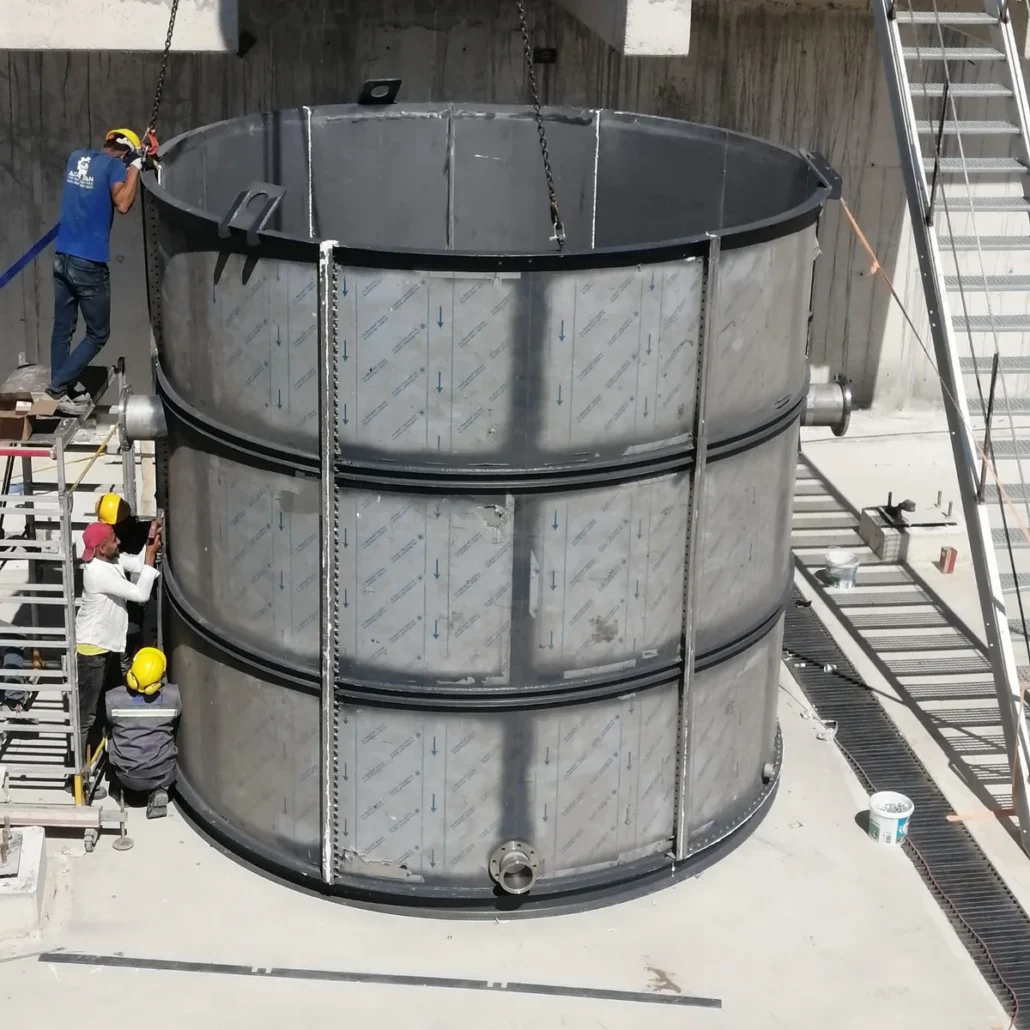
Bolted Sectional Tanks
Bolted sectional storage tanks assembled on site from transported panels. Discuss fluid, volume and installation scope in your RFQ.
Explore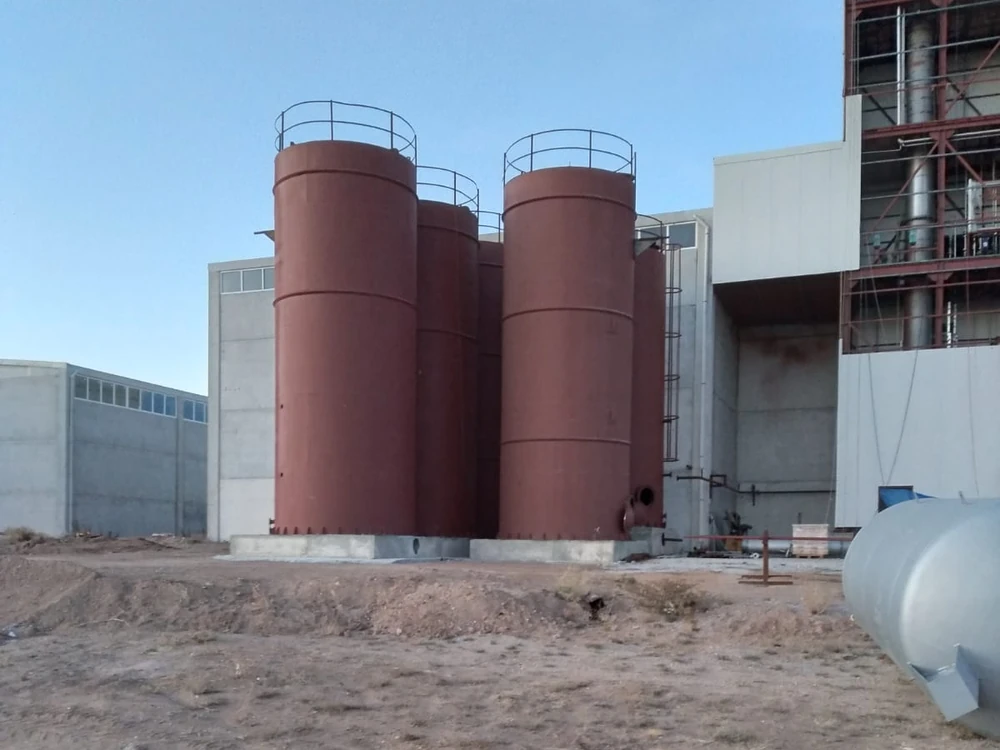
Carbon Steel Tanks
Project-built carbon steel tanks for industrial fluid storage. Specify fluid, volume, layout and surface treatment in your RFQ.
Explore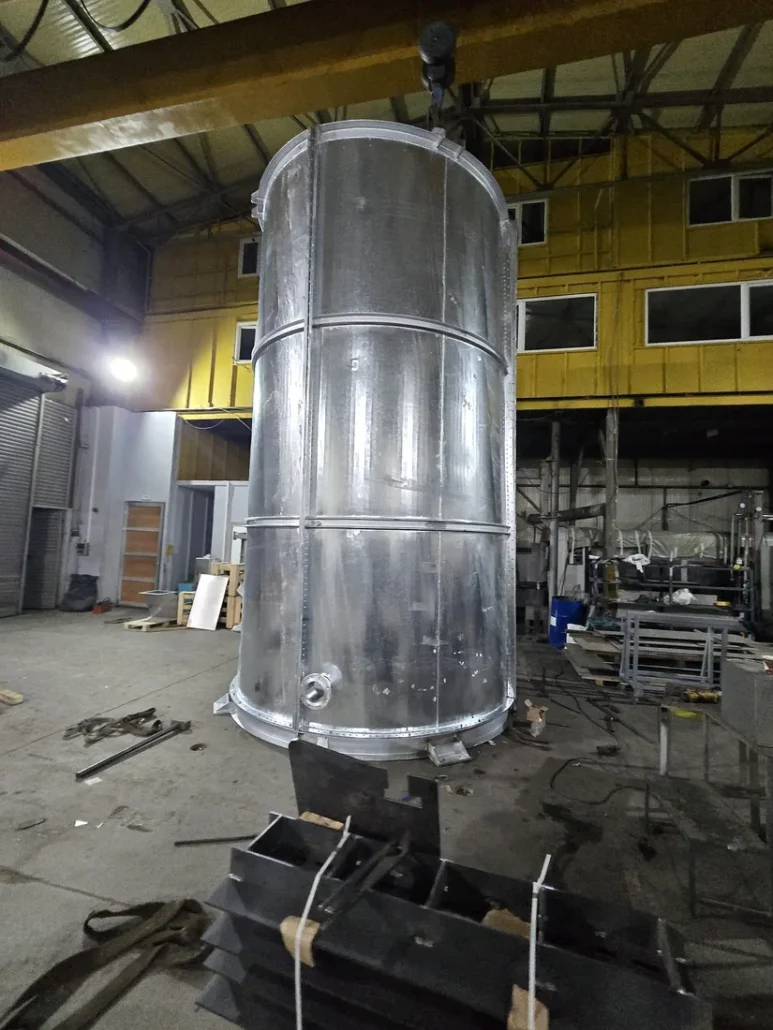
Galvanized Tanks
Galvanized steel tanks for project-specific storage applications. Send fluid, volume, layout and connection details for an RFQ.
Explore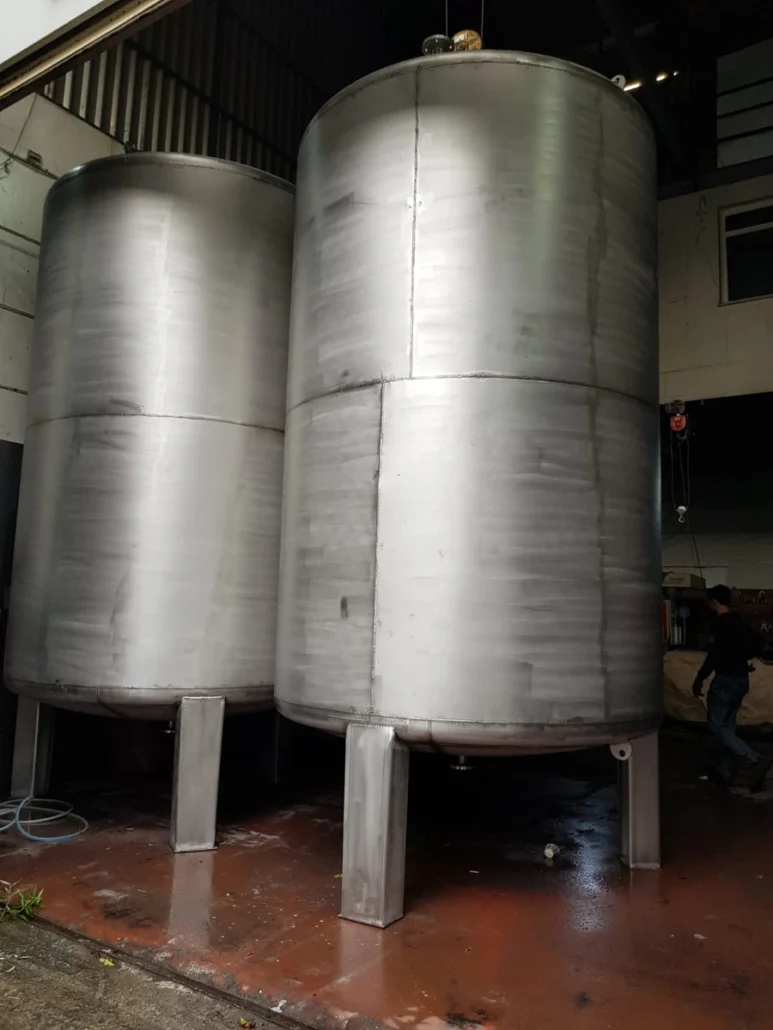
Stainless Steel Tanks
Stainless steel storage tanks for project-specific industrial applications. Share fluid, temperature, material and connection requirements.
ExploreExplore carbon steel, stainless steel, galvanized and bolted sectional storage tanks. The relevant choice depends on the stored fluid, installation and project requirements.
For a quotation, provide the fluid, target volume, operating temperature, layout, connections and whether pressure or vacuum may occur. A drawing helps define fabrication and installation scope.
Let us review your project file.
Choose a product family, review its technical information and request a quotation with your drawing and specification.
Send drawing / specification ↗Engineering Note
Two storage tanks of the same volume may need different fabrication scopes. When requesting a quotation, specify the stored fluid, target volume, operating temperature, location and connection arrangement. State whether the tank operates at atmospheric conditions or may experience internal pressure or vacuum; list pressure and temperature scenarios separately where relevant.
Add cleaning chemicals and cleaning conditions. For stainless steel tanks, areas around gaskets and flanges where liquid can collect matter to material and joint assessment. A layout drawing and these service details help compare shell, surface, connection and inspection scopes on the same assumptions.