TECHNICAL PRODUCT CATALOGUE
Custom Stainless Steel Tanks
Custom stainless steel tanks designed around fluid, material, geometry and connection requirements. Send your project file for an RFQ.
Information to include in your RFQ
We can assess the project geometry, connections and integration with the existing system. Share available data and a drawing even if some values remain open.
- Any technical drawing, specification and integration notes
- Intended use and fluid
- Required volume and installation constraints
- Known operating pressure and temperature; any design conditions
- Connection, nozzle and accessory requirements
- Quantity and requested fabrication scope
Custom stainless steel tanks are assessed against the fluid, required geometry and intended operating conditions. Whether the vessel is atmospheric or pressure-bearing is determined for the specific project.
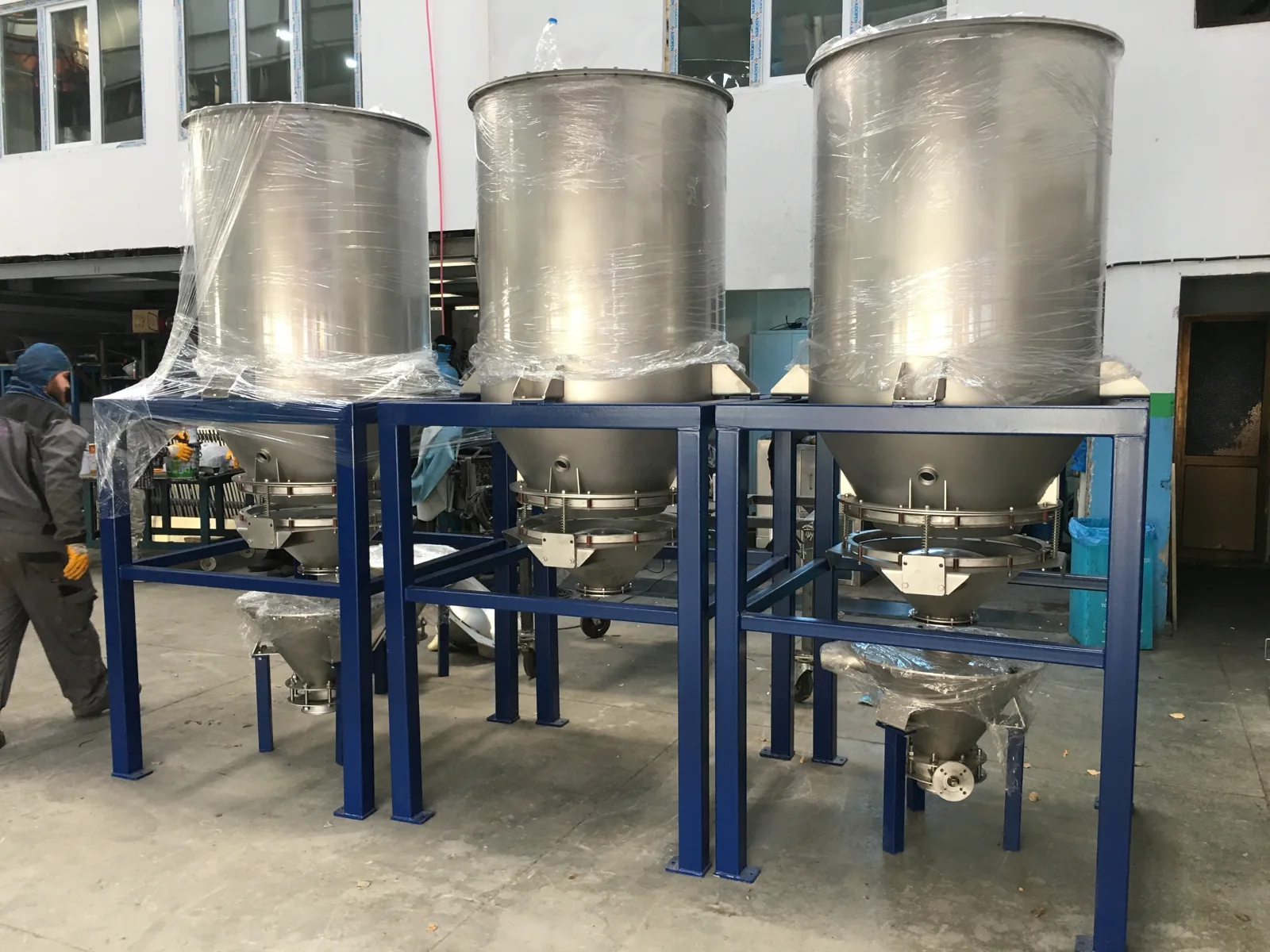
Stainless Steel Hoppers with Conical Discharge
Material and design scope
Specify the requested stainless grade, size, volume, operating pressure and temperature, head geometry and connections. Welding, surface finish and inspection requirements should be described in the specification. Environmental and support conditions, if relevant, belong in the project file.
Share the drawing and acceptance requirements so that manufacturing and documentation can be priced on the same basis.
Materials and operating conditions
Custom stainless tanks can be evaluated for food, chemical, beverage, water or other industrial applications. The liquid, cleaning method and operating conditions determine the appropriate grade and surface requirements; a stainless label alone does not establish suitability.
AISI 304, 316 and 316Ti are possible specified grades. State whether the vessel is atmospheric or pressure-bearing and define welding, inspection and connection requirements in the project file.
Engineering Note
The thermal cycle during welding can change the structure of the weld metal and adjacent heat-affected zone. On stainless equipment surfaces in contact with the fluid, weld heat tint and iron contamination can also affect corrosion resistance. Cleaning, pickling and passivation serve different purposes; the operations required depend on the material and service conditions.
In the RFQ, state weld and surface acceptance requirements, access to internal surfaces and requested inspection records. This clarifies the surface treatment, areas covered and documentation before pricing.